
Introduction
Trump Tariffs: What They Mean for the U.S. Economy in 2025Former President Donald Trump is once again in the headlines. His proposed tariff policies are drawing attention across the world. The tariffs are aimed at protecting U.S. industries and boosting local manufacturing. But they are also raising concerns about higher prices for consumers. In 2025, the trade debate is heating up.
What Are Trump’s Tariffs?
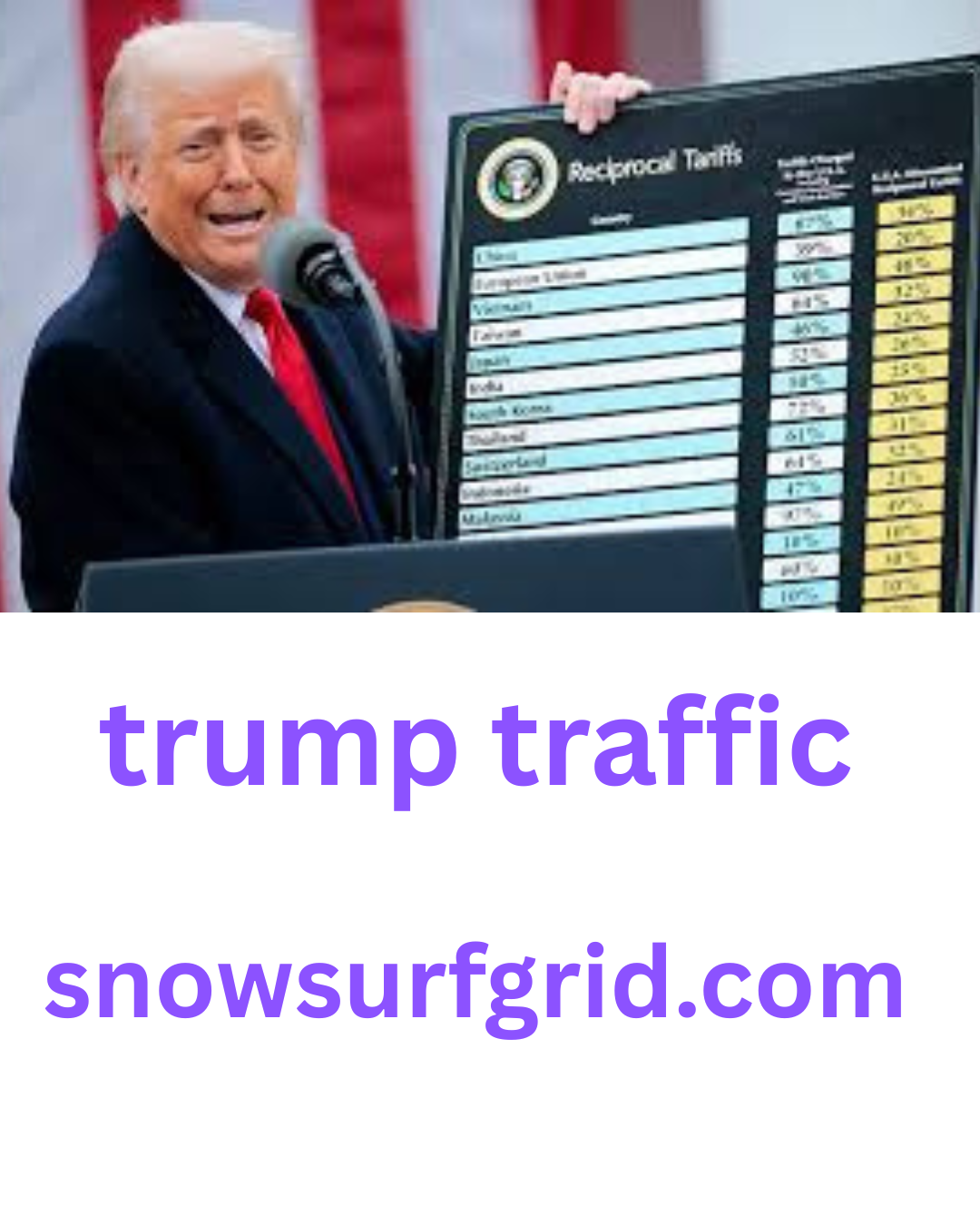
Tariffs are taxes on imported goods. Trump’s plan focuses on imposing higher tariffs on products from countries like China. The idea is to make imported goods more expensive. This could encourage people to buy American-made products instead.
He has suggested a universal baseline tariff on all imports. Certain countries could face even higher rates. Supporters believe this will strengthen U.S. manufacturing. Critics warn it could trigger trade wars.
Impact on U.S. Businesses
American manufacturers could benefit from reduced foreign competition. Local companies may see an increase in demand for their products. This could lead to job creation in manufacturing hubs.
However, companies that rely on imported materials might face higher costs. Industries like electronics, automobiles, and retail could be affected. Small businesses may feel the pressure the most. Many rely on cheaper imports to keep prices competitive.
Impact on Consumers
Tariffs often lead to higher prices in stores. When import costs go up, businesses usually pass the increase to customers. Everyday items, from clothing to electronics, could become more expensive.
Supporters argue that buying more American-made goods will support local jobs. But for many families, the immediate concern is affordability. Inflation has already been a challenge in recent years. Extra costs from tariffs could make it harder for households to manage budgets.
The Global Response
Other countries are closely watching these tariff moves. Some may respond with their own trade restrictions. In past trade disputes, this has hurt U.S. exporters. Farmers, for example, could see reduced access to overseas markets.
Global trade relies on balance. When one major player imposes heavy tariffs, it can shift the entire system. This could lead to slower economic growth in multiple countries, not just the U.S.
The Political Side
Tariffs are not just an economic issue. They are also a major political talking point. Trump and his supporters present tariffs as a way to put “America First.” Critics say they could isolate the U.S. and damage relationships with key allies.
Trade policy often shapes voter opinion. For some, tariffs represent strength and independence. For others, they signal higher costs and global tension.
What’s Next?
If these tariffs go into effect, the U.S. economy could see mixed results. Some industries may benefit. Others could struggle with higher costs and reduced trade.
The outcome will depend on how other nations respond and how quickly U.S. businesses adapt. Policymakers will need to balance protecting domestic industries with keeping prices fair for consumers.
Conclusion
Trump’s tariffs are a bold move in the ongoing trade debate. They could boost certain U.S. industries and create jobs. But they also risk raising prices and straining global relations.
For now, Americans can expect a lively discussion on the future of trade. The true impact will only be clear once the policies are in place and the global reaction unfolds