
The Grand Egyptian Museum (GEM) is about to redefine how the world experiences ancient history. Located just two kilometers from the Giza Pyramids, this extraordinary site blends modern architecture with Egypt’s timeless past. Set to open soon, the GEM will be the largest archaeological museum ever built, housing more than 100,000 ancient artifacts.
A Dream Decades in the Making
The idea for the Grand Egyptian Museum was born in the early 2000s. Egypt wanted a state-of-the-art space that could preserve its heritage while attracting global tourism. Construction began in 2012, and after years of anticipation, the museum is finally preparing to welcome the public.
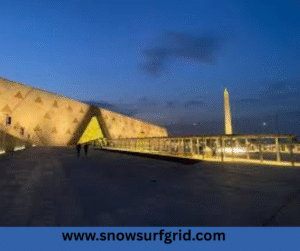
Its vast design covers nearly 500,000 square meters. The museum’s façade, shaped like a triangle, mirrors the geometry of the nearby pyramids. Inside, visitors will find cutting-edge technology, interactive exhibits, and spacious galleries that highlight the beauty of Egypt’s ancient civilization.
King Tutankhamun’s Treasures
One of the museum main highlights is the complete collection of King Tutankhamun’s artifacts. For the first time, more than 5,000 items from his tomb will be displayed together. Visitors will be able to see the young pharaoh’s golden mask, jewelry, chariots and even his sandals.
This collection alone is expected to draw millions of visitors every year. Each piece has been carefully restored and displayed to reflect the story of Egypt’s most famous boy king. The exhibit combines history with modern presentation, offering an unforgettable experience for all ages.
A Global Center for Culture and Education
The Grand Egyptian Museum is not just about ancient relics. It designed to be a cultural hub for research, education and innovation. The museum includes conservation laboratories, libraries and learning centers that serve archaeologists and students worldwide.
Its technology-driven approach also makes history more accessible. Augmented reality and 3D displays will bring ancient Egypt to life like never before. Visitors can virtually walk through temples, see reconstructed tombs, and explore the daily lives of the ancient Egyptians.
Architecture Inspired by the Past
The museum’s architecture is a masterpiece on its own. Designed by Heneghan Peng Architects, the GEM combines modern aesthetics with symbols of ancient Egypt. The building’s triangular design pays tribute to the pyramids, while the translucent alabaster walls fill the space with soft, golden light.
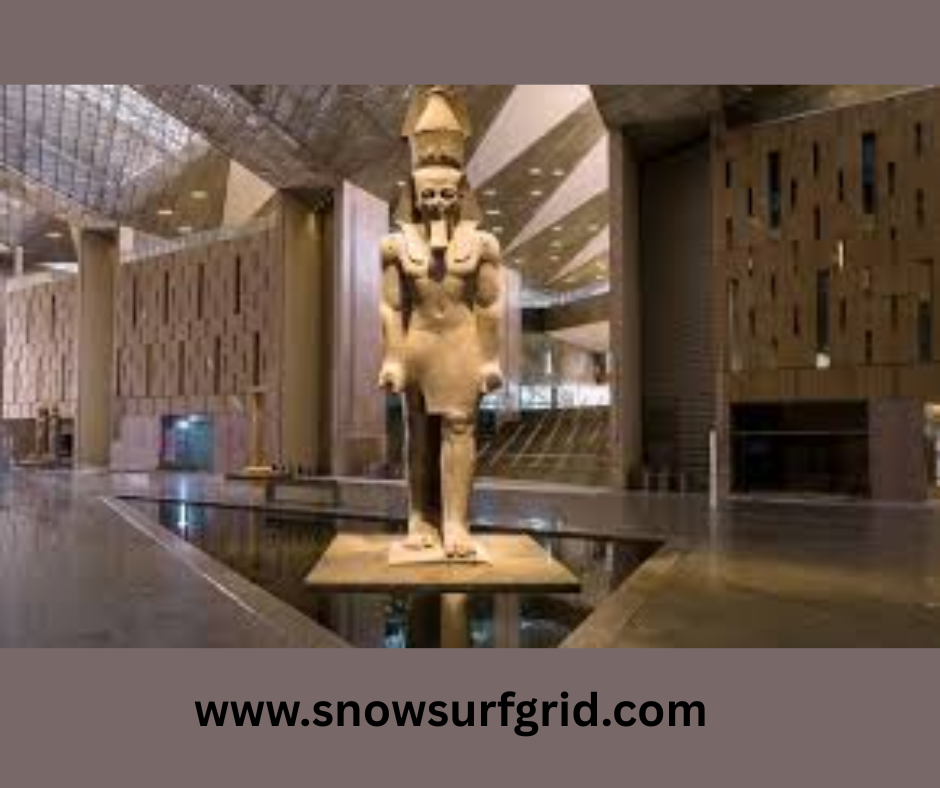
From the moment visitors step inside, they will be greeted by the colossal 11-meter statue of Ramses II. The statue once stood in Cairo’s Ramses Square and now forms the centerpiece of the museum’s Grand Hall. Surrounding it are massive columns and glass walls that provide a breathtaking view of the Giza Plateau.
Boosting Egypt’s Tourism and Economy
The GEM is expected to become one of the world’s most visited cultural destinations. Tourism is a vital part of Egypt’s economy, and this museum will play a key role in reviving it. With easy access from Cairo and proximity to the pyramids, the site will attract both casual travelers and history enthusiasts.
Egyptian officials believe the GEM will symbolize Egypt’s modern vision while preserving its ancient soul. It’s not just a museum; it’s a bridge between past and future.
A New Era for Egyptian Heritage
The opening of the Grand Egyptian Museum marks a historic milestone. It represents decades of hard work, passion, and respect for a civilization that shaped human history. Whether you’re a scholar, a traveler, or simply curious about ancient wonders, the GEM promises an experience like no other.
Soon, the world will stand before Egypt’s greatest stories — told in the most magnificent way possible.