
Perseid Meteor Showers 2025: When and How to Watch
A Night Sky Show You Can’t Miss
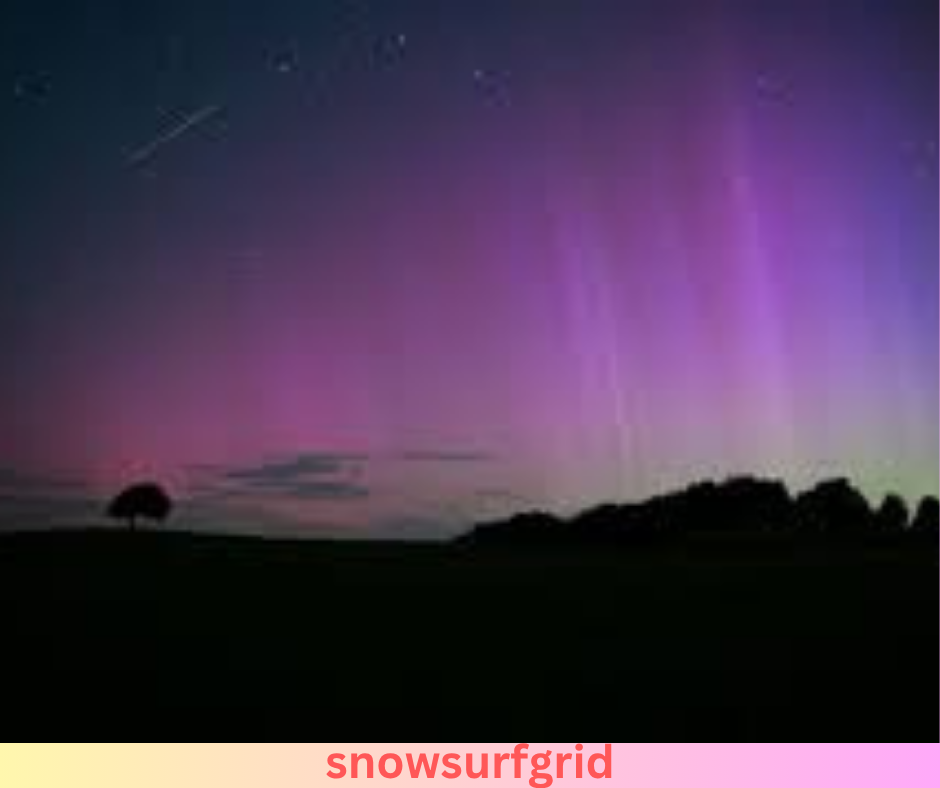
Perseid Meteor Showers 2025: When and How to WatchThe Perseid meteor showers are one of the most awaited events in the night sky. Every year, in August, the Earth passes through a cloud of debris left by the comet Swift–Tuttle. This creates a dazzling display of meteors. Skywatchers around the world mark their calendars for this magical event.
When Will the Perseids Peak?
In 2025, the Perseids are expected to peak on the night of August 12 and early morning of August 13. During this peak, you could see up to 100 meteors per hour under dark skies. The best viewing time will be after midnight, when the sky is darkest.
Why the Perseids Are Special
The Perseids are famous for their bright, fast meteors. Many leave glowing trails that last a few seconds. Some even burst into fireballs, creating a flash that can light up the sky. The meteors come from tiny dust and rock particles, no bigger than a grain of sand, burning up as they hit our atmosphere at high speeds.
Best Places to Watch
City lights can make it hard to see the meteors. To enjoy the full show, find a location away from light pollution. Countryside fields, mountain areas, or national parks are perfect spots. Make sure you have a clear, wide view of the sky.
No Special Equipment Ndeede
One of the best things about the Perseid meteor showers is that you don’t need telescopes or binoculars. Your eyes are enough. Just let them adjust to the darkness for about 20 minutes. This will help you see even the faint meteors.
Tips for a Perfect Viewing Experience
-
Check the weather: Clouds can block the view.
-
Bring a blanket or chair: You’ll want to lie back and watch comfortably.
-
Avoid phone screens: Bright lights can ruin your night vision.
-
Be patient: Meteors can come in bursts, so give yourself at least an hour to watch.
A Bit of History
The Perseid meteor showers have been observed for over 2,000 years. The first recorded sighting comes from ancient China in 36 AD. The name “Perseid” comes from the constellation Perseus, where the meteors appear to originate.
Science Behind the Show
Comet Swift–Tuttle, the source of the Perseids, orbits the Sun once every 133 years. As Earth moves through the trail of dust left by this comet, the particles enter our atmosphere and burn up, creating meteors. The speed can reach 59 kilometers per second.
How to Photograph the Perseids
If you want to capture the meteors, use a DSLR or mirrorless camera with a wide-angle lens. Set a long exposure time, around 15–30 seconds, and keep the ISO high. A tripod will keep your camera steady. Point it toward the darkest part of the sky.
A Reminder to Look Up
In our busy lives, we often forget to stop and look at the sky. The Perseid meteor showers offer a chance to reconnect with nature and the universe. Whether you watch alone, with friends, or with family, it’s a moment worth experiencing.