
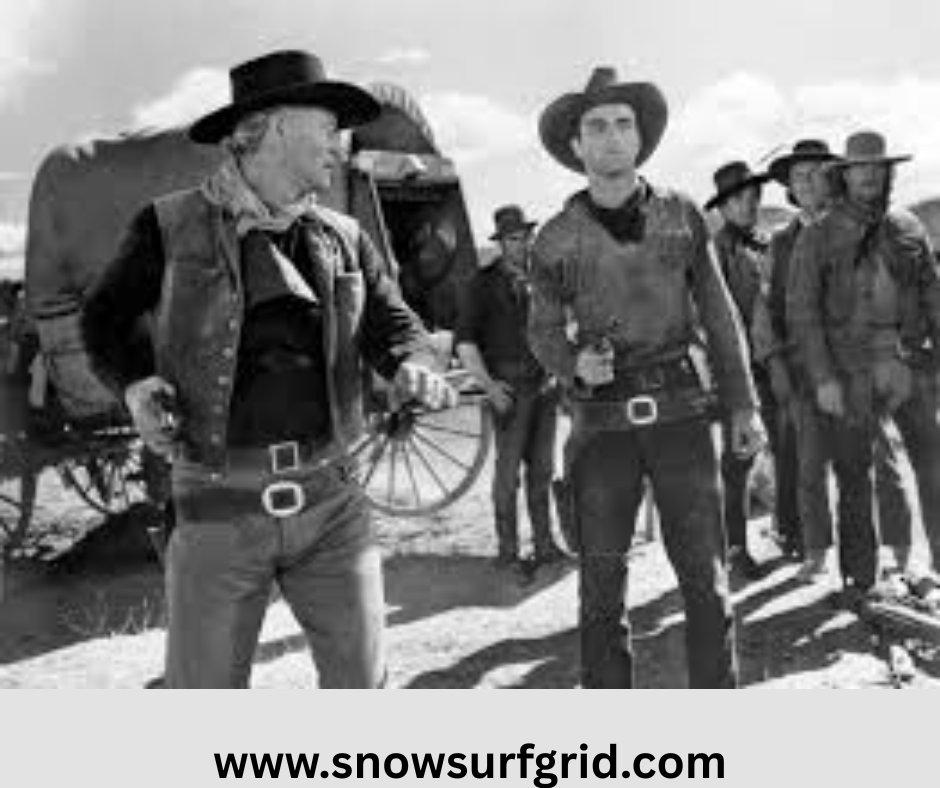
Few names in Hollywood history shine as brightly as John Wayne. Known as “The Duke,” he remains one of the most iconic actors in film. His deep voice, commanding presence, and authentic portrayals of courage made him a symbol of American strength and independence. Even decades after his passing, John Wayne’s influence continues to shape cinema and inspire audiences around the world.
 The Rise of a Hollywood Legend
Born Marion Robert Morrison in 1907, John Wayne didn’t always dream of becoming a movie star. He was a football player at the University of Southern California before an injury ended his sports career. Fate, however, had bigger plans. Working as a prop man for Fox Studios introduced him to the world of film. Before long, his natural charisma caught the attention of directors.
Wayne’s breakout role came in 1939’s “Stagecoach,” directed by John Ford. The film transformed him from a struggling actor into a major Hollywood name. His portrayal of the rugged outlaw Ringo Kid captured the imagination of audiences and set the tone for his career.
A Symbol of American Grit
John Wayne wasn’t just an actor — he was a cultural icon. His characters represented courage, loyalty, and moral clarity during a time when the world needed heroes. In films like “The Searchers,” “True Grit,” and “The Man Who Shot Liberty Valance,” Wayne embodied the spirit of the Old West.
He played cowboys, soldiers, and frontiersmen who stood for justice, often against overwhelming odds. This consistent portrayal made him a symbol of resilience. Audiences connected with his honesty and strength. His roles weren’t just entertainment — they reflected the values of a changing America.
Beyond the Big Screen
Wayne’s influence extended beyond Hollywood. During World War II, he became a strong supporter of American troops. Though he didn’t serve in the military, he visited bases and hospitals to lift soldiers’ spirits. His patriotism became a cornerstone of his public image.
In addition to acting, John Wayne also ventured into producing and directing. His 1960 film “The Alamo” showcased his passion for storytelling and his desire to celebrate American history. His dedication to film earned him numerous awards, including an Academy Award for Best Actor for his role in “True Grit” (1969).
Controversy and Legacy
Like many cultural icons, John Wayne wasn’t without controversy. His outspoken political beliefs and interviews sparked debate. Yet, despite criticism, his contribution to cinema remains undeniable. Generations of actors, including Clint Eastwood and Kevin Costner, credit Wayne as a major influence on their careers.
Today, his movies are considered classics. Fans continue to celebrate his work at the John Wayne Birthplace Museum in Iowa and through film festivals that honor his legacy. His impact also lives on through the John Wayne Cancer Foundation, which supports cancer research and awareness — a cause close to his family’s heart.
The Duke’s Enduring Influence
John Wayne passed away in 1979, but his legend never faded. His image — the cowboy hat, the slow drawl, the confident walk — still defines the American Western. Modern audiences revisit his films not just for nostalgia, but for their timeless storytelling and moral clarity.
His message was simple: stand tall, speak the truth, and never back down. In a world that often feels uncertain, that message continues to resonate.
Conclusion
John Wayne’s life was larger than the movies he made. He became a lasting symbol of courage and independence. His work continues to inspire new generations of filmmakers and fans alike. From dusty western towns to the heart of Hollywood, The Duke remains the ultimate cowboy — a legend who will never ride off into the sunset for good