
Haboob: Understanding the Fierce Dust Storms
What Is a Haboob?
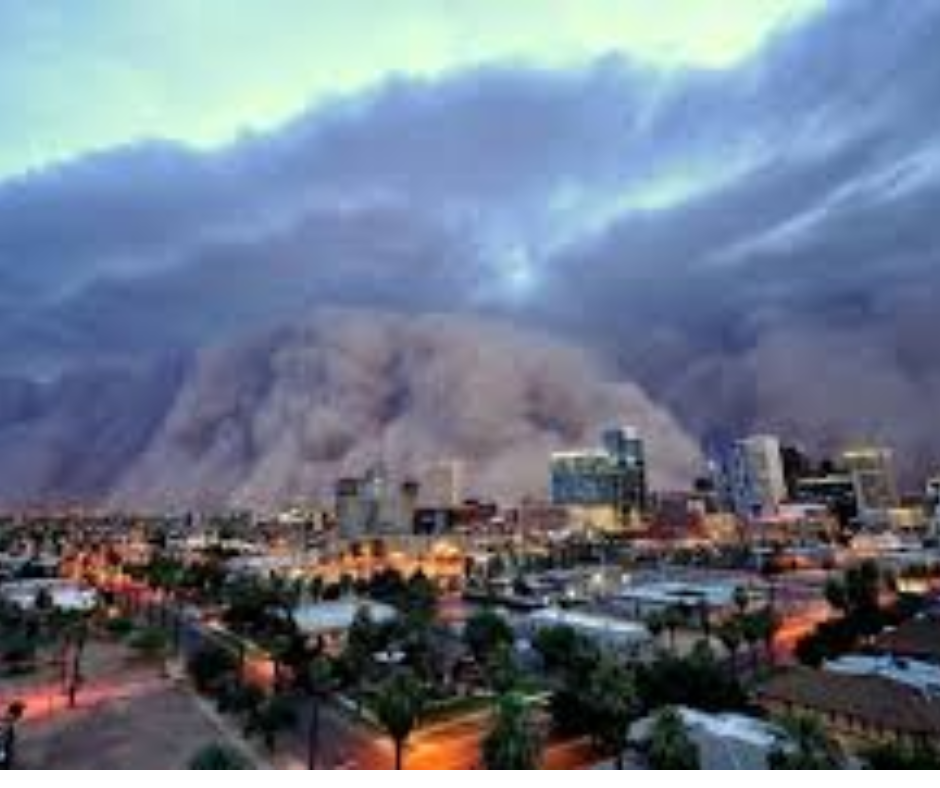
A haboob is a powerful dust storm that sweeps across dry regions. These storms form when strong winds from thunderstorms push large amounts of dust and sand into the air. The word “haboob” comes from Arabic, meaning “blasting” or “drifting.” They are most common in arid and semi-arid areas such as the Sahara Desert, the Middle East, and parts of North America.
How Does a Haboob Form?
A when rain-cooled air rushes downward during a thunderstorm. As this cool air hits the ground, it spreads quickly, pushing dust and sand upward. This creates a massive wall of dust that can stretch for miles. The storm can move fast, often reaching speeds of more than 60 miles per hour.
Areas Where Haboobs Occur
Haboobs appear in desert regions around the world. In the United States, Arizona and New Mexico experience them often. In Africa, the Sahara produces some of the largest and most dangerous dust storms. The Middle East, especially Sudan and Saudi Arabia, also reports frequent haboobs. Wherever dry soil and strong thunderstorms exist, haboobs can strike.
Dangers of a Haboob
Haboobs are dangerous for both people and property. The thick wall of dust reduces visibility to almost zero. This makes driving extremely risky and often leads to accidents. The fine dust particles also cause breathing problems, especially for people with asthma or allergies. Power lines, farms, and buildings can also suffer damage.
How to Stay Safe During a Haboob
Staying safe during a haboob requires quick action. If you are driving, pull over and wait until the storm passes. Keep your headlights off to avoid confusing other drivers. Stay indoors with windows and doors tightly closed. Cover your nose and mouth with a mask or cloth to protect your lungs. Always keep an emergency kit with water, food, and medical supplies ready if you live in haboob-prone areas.
Impact on the Environment
While haboobs are dangerous, they also play a role in nature. The dust they carry often contains nutrients that enrich soil in faraway regions. In some cases, this dust helps crops grow or supports ocean life. However, too much dust can harm air quality and affect health for long periods.
Conclusion
A haboob is one of nature’s most dramatic weather events. These massive dust storms remind us of the power of the natural world. Understanding how haboobs form and knowing how to stay safe can reduce risks. Whether in the deserts of Africa or the streets of Arizona, haboobs demand respect and awareness.