

Coral Reefs: Nature’s Underwater Wonders
Coral Reefs: Nature’s Underwater WondersDiscover the beauty, importance, and threats facing coral reefs. Learn why protecting these vibrant marine ecosystems is essential for our planet’s future.
Coral reefs
The Beauty of Coral Reefs
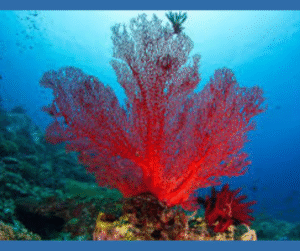
Coral reefs are among the most beautiful and diverse ecosystems on Earth. Found in warm, shallow waters, they create breathtaking underwater landscapes. These reefs are made up of tiny animals called coral polyps. Over thousands of years, they build hard skeletons that form the base of the reef.
From the Great Barrier Reef in Australia to the vibrant corals in the Maldives, these underwater gardens host countless marine species. Fish, sea turtles, and colorful invertebrates all depend on corals for food and shelter.
Why Coral Reefs Matter
Coral reefs do more than provide beauty. They play a critical role in marine ecosystems. Around 25% of all marine species rely on coral reefs at some stage in their life cycle.
For humans, reefs are just as important. They protect coastlines from erosion and storm damage. They also support fishing industries, which provide food for millions of people. Coral reefs even help tourism, attracting divers and snorkelers from around the world.
Many scientists are also studying corals for their potential in medicine. Certain compounds found in coral species show promise in treating diseases.
The Threats Facing Coral Reefs
Sadly, coral reefs are under serious threat. Rising ocean temperatures caused by climate change are leading to coral bleaching. In this process, corals lose their vibrant colors and weaken, making them more likely to die.
Pollution is another major problem. Chemicals, plastics, and untreated sewage harm coral health. Overfishing and destructive fishing practices damage reef structures. Coastal development also puts pressure on these delicate ecosystems.
Without urgent action, scientists warn that many reefs could disappear within this century.
Coral Bleaching: A Closer Look
When water temperatures rise even slightly, corals become stressed. They expel the algae that live in their tissues. These algae give corals their color and provide most of their energy. Without them, corals turn white—a condition called coral bleaching.
Bleached corals are not dead right away. However, they are weak and more vulnerable to disease. If stressful conditions continue, they may not survive.
Protecting Coral Reefs
Protecting coral reefs starts with awareness and action. Here are some steps we can take:
-
Reduce carbon emissions. Lowering greenhouse gases helps slow ocean warming.
-
Prevent pollution. Avoid dumping waste or chemicals into the ocean.
-
Support sustainable fishing. Choose seafood from responsible sources.
-
Be a responsible tourist. Avoid touching corals while diving or snorkeling. Use reef-safe sunscreen.
-
Support reef conservation projects. Many organizations are working to restore damaged reefs.
Hope for the Future
Despite the threats, there is hope for coral reefs. Marine scientists are working on coral restoration projects. These involve growing corals in nurseries and transplanting them to damaged reefs. Some research focuses on breeding corals that can survive in warmer waters.
Local communities are also taking action. By setting up marine protected areas, they give reefs a chance to recover and thrive.
Final Thoughts
Coral reefs are more than just pretty underwater landscapes. They are vital to marine life, coastal protection, and even human health. But they are fragile and need our help.
By making small changes in our daily lives and supporting global conservation efforts, we can protect these natural wonders for future generations. The beauty of coral reefs is worth saving—and the time to act is now.