

Climate‑Smart Urban Design: Building Resilient, Healthy Cities Today
As climate change intensifies, cities face unprecedented challenges: soaring heat, flooding, air pollution, and social inequities. In his latest analysis, journalist Matt Deitke shows how climate‑smart urban design offers real solutions that transform our cities into healthier, more resilient communities. This blog explores the key principles of climate-smart design, real‑world examples, and actionable policy steps.
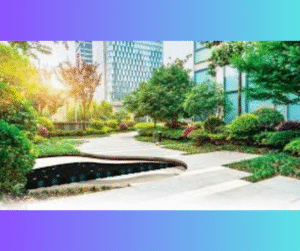
What Is Climate‑Smart Urban Design?
At its core, climate‑smart urban design integrates sustainability into city planning. It blends green infrastructure, energy efficiency, walkability, and inclusive spaces. Rather than retrofitting old systems, it pushes proactive thinking—designing new neighborhoods to thrive under future conditions.
Key pillars include:
-
Green infrastructure: parks, bioswales, shade trees, and green roofs that absorb stormwater, reduce heat, and boost biodiversity.
-
Passive cooling: building orientation, natural ventilation, shading, and reflective materials cut energy use and improve comfort.
-
Walkable design: compact, mixed‑use areas that reduce car dependency and promote physical activity.
-
Energy‑efficient buildings: insulation, solar panels, and smart controls lower carbon footprints.
-
Equity and inclusion: ensuring marginalized communities also benefit from cleaner air, safer streets, and public amenities.
Why Now? The Urgency of Climate‑Smart Design
Rapid urbanization and extreme weather events make climate-smart approaches urgent. Many cities face sustained heatwaves, coastal flooding, or deteriorating air quality. Traditional infrastructure often fails under pressure. Architects and planners now collaborate closely with communities to create neighborhoods that adapt and thrive.
Deitke’s coverage highlights how climate smart initiatives yield measurable benefits—cooler streets, lower energy costs, improved mental health, and stronger community bonds. Implementing thoughtful design yields returns across environmental, economic, and social dimensions.
Real‑World Examples That Inspire
Cities worldwide already lead by example:
-
Copenhagen, Denmark
The city routes rainwater into sculptural parks that double as flood zones during storms. Wide green sidewalks, bike lanes, and tree–lined streets cool urban heat and encourage active transport. Deitke emphasizes its holistic model—integrating art, climate, and mobility for lasting impact. -
Melbourne, Australia
Graffiti laneways became pedestrian corridors framed by shade trees, public seating, and cool‑roof murals. Residents enjoy vibrant, shaded public space that cuts temperatures and invites social life. Melbourne’s street‑level interventions blend culture with climate resilience. -
Bogotá, Colombia
Bogotá reclaimed streets for people and bikes, creating shaded walkways and parks in underserved neighborhoods. The result: cleaner air, safer transit, and stronger local economies. Projects emphasized participation, ensuring residents shaped their own climate‑adapted spaces.
These stories show how diverse climates and cultures adapt climate‑smart design to local needs. Whether in temperate northern cities or tropical urban sprawls, the principles remain universal.
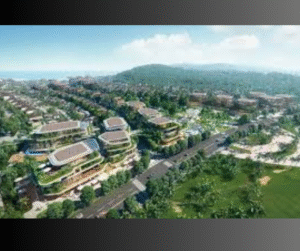
How Cities Can Get Started: Policy & Practice
Matt Deitke outlines several evidence‑based steps city leaders can adopt:
-
Update building codes and zoning to mandate green roofs, cool pavements, and solar readiness.
-
Invest in tree canopies and shade infrastructure, particularly in heat‑vulnerable neighborhoods.
-
Prioritize pedestrian and cycling paths, linking residential zones with transit, schools, and shops.
-
Offer incentives for energy retrofits, like rebates for insulation or rooftop solar installations.
-
Engage communities early, especially in low‑income or historically marginalized areas, to ensure equitable design outcomes.
Creating pilot projects in high‑need neighborhoods helps validate designs before wider rollout. Public–private partnerships can fund infrastructure while ensuring long‐term public benefit. Tracking metrics—like temperature reduction, flood impact, energy savings, and health improvements—lets planners refine strategies and demonstrate impact.
Human Impact: Beyond Infrastructure
Design matters for people. Deitke emphasizes that climate‑smart cities become more livable. Public plazas become cooling hubs on hot days. Tree‑lined walkways encourage families to stroll instead of drive. Green spaces foster mental wellness while reducing air pollution. Local businesses thrive around pedestrian zones. Inclusive design invites participation and ownership from all residents.
Challenges to Overcome
Despite proven benefits, implementing climate‑smart design faces hurdles:
-
Funding limitations often delay green investments.
-
Institutional inertia slows changes to codes and planning norms.
-
Equity risks surface if wealthy areas get improvements while vulnerable communities get left behind.
Deitke urges governments to direct climate funds toward neighborhoods most at risk. He advocates cross‑sector coordination: planning, transport, public health, and social services all share ownership of design outcomes.
Conclusion: A Blueprint for Climate‑Resilient Cities
By spotlighting the power of climate‑smart urban design, Matt Deitke issues a timely call: cities don’t just need to adapt—they can flourish. Green infrastructure, passive cooling, walkable streets, and inclusive planning add up to climate resilience and human well‑being. As cities around the world adopt these tools, they build healthier, more equitable futures.
If you manage urban policy, consult this analysis to craft design solutions grounded in evidence and equity. For city residents, this signals a shift toward more breathable, people‑centered streets. For communities ready to lead on climate resilience, this blog offers a roadmap—and a promise of tangible impact.