

lyme disease Symptoms Causes and Prevention You Need to Know
Lyme disease is one of the fastest-growing infectious diseases in the U.S. It’s caused by a bacterium called Borrelia burgdorferi. This bacterium spreads through the bite of infected black-legged ticks, often called deer ticks.
Where It Comes From
These ticks live in grassy or wooded areas. They thrive in the Northeast, Midwest, and Pacific Northwest. If you spend time outside in those places, your risk increases. Dogs and outdoor cats can also carry ticks into your home.
Early Signs of Lyme Disease
Most people don’t notice the tick bite. That’s because the ticks are tiny—about the size of a poppy seed. But the symptoms that follow are hard to miss. They usually show up within 3 to 30 days after the bite.
Common early signs include:
-
Fever and chills
-
Fatigue
-
Headaches
-
Muscle and joint aches
-
Swollen lymph nodes
-
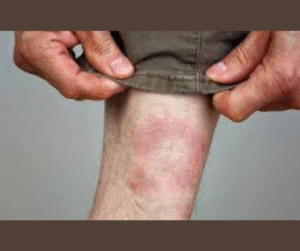
A telltale red rash shaped like a bull’s-eye (called erythema migrans)
Not everyone gets the rash. That’s why it’s important to look out for all symptoms, especially after being outdoors.
What Happens If It’s Not Treated?
If Lyme disease isn’t caught early, it can get worse. The infection may spread to your joints, heart, or nervous system.
Late-stage symptoms include:
-
Severe joint pain or swelling (especially in the knees)
-
Facial drooping or nerve pain
-
Irregular heartbeat
-
Memory issues or brain fog
Early treatment is key. Most people recover fully when Lyme disease is diagnosed and treated quickly.How It’s Diagnosed
Doctors usually start with a physical exam and a review of symptoms. If Lyme disease is suspected, they may order a blood test. The test checks for antibodies your body makes in response to the infection. But these antibodies might not appear until a few weeks after the bite.
That’s why doctors often begin treatment based on symptoms and possible exposure—even before test results come back.
Treatment Options
Lyme disease is usually treated with antibiotics. A typical course lasts two to four weeks. Doxycycline, amoxicillin, or cefuroxime are common choices.
Most people start to feel better within days. Some may still experience fatigue or joint pain for weeks. This is called Post-Treatment Lyme Disease Syndrome (PTLDS), and it’s still being studied.
How to Prevent Lyme Disease
Prevention is your best defense. Here’s how to lower your risk:
-
Avoid tall grass and brush, especially in spring and summer.
-
Wear long sleeves and tuck your pants into your socks.
-
Use insect repellent with at least 20% DEET.
-
Check yourself, your kids, and pets for ticks after outdoor activities.
-
Shower soon after being outdoors to wash off ticks before they bite.
If you find a tick, remove it quickly with tweezers. Grasp it close to the skin and pull gently but firmly. Clean the bite area with soap and water.
Can You Get Lyme Disease Twice?
Yes, you can. Unlike some other infections, getting Lyme disease once doesn’t make you immune. That’s why it’s important to stay vigilant, even if you’ve had it before.
Final Thoughts
Lyme disease can be serious, but it’s also preventable. Awareness is the first step. Know the risks, check for ticks, and act fast if you notice symptoms. If you think you’ve been exposed, don’t wait—see a doctor. Early action can make all the difference.