
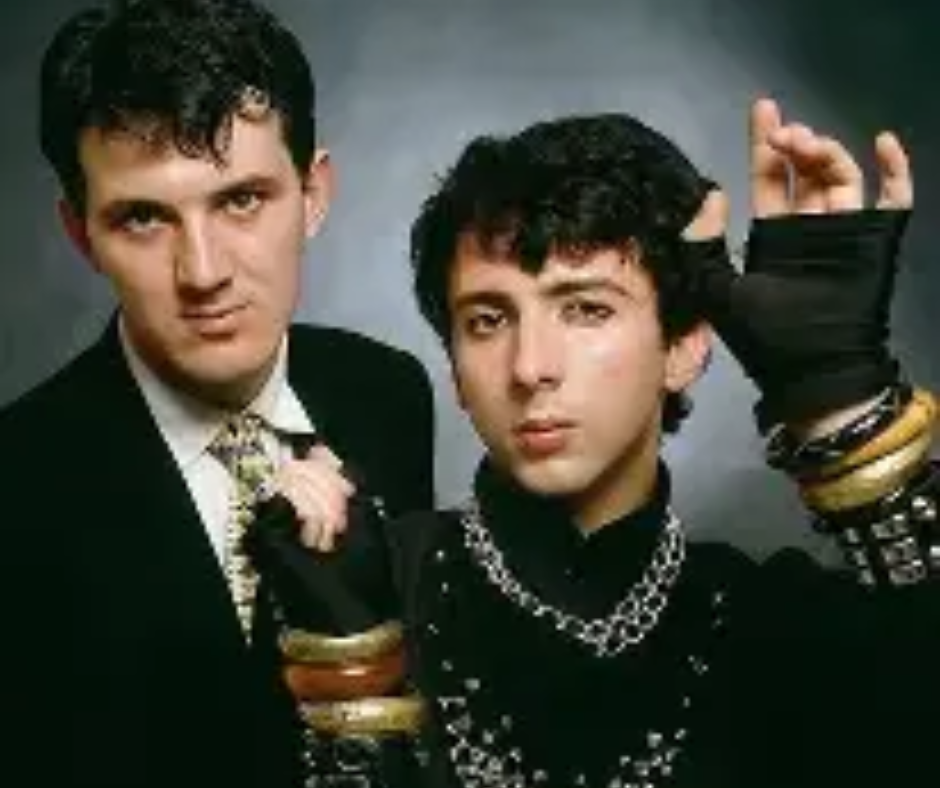
Dave Ball is a name that resonates deeply with fans of synth-pop and electronic music. As one half of the iconic duo Soft Cell, Ball helped redefine the sound of the early 1980s. His mastery of synthesizers and electronic production brought a new wave of creativity to pop culture. Today, his influence continues to echo across generations of artists and fans alike.
Early Life and Musical Beginnings
Born in Blackpool, England, Dave Ball developed a fascination with sound and technology from a young age. While most kids were strumming guitars, Ball was tinkering with keyboards and experimenting with sounds that felt futuristic. His curiosity for electronic music deepened during his time at Leeds Polytechnic, where he met Marc Almond, his future bandmate.
That meeting changed music history. The two connected instantly over their love of avant-garde sounds and underground art scenes. What started as a small experimental project soon became Soft Cell, one of the most groundbreaking acts of their time.
The Rise of Soft Cell
In 1981, Soft Cell released “Tainted Love”, a song that became an instant classic. Dave Ball’s hypnotic synth lines, combined with Marc Almond’s haunting vocals, created something unique. The song wasn’t just a hit—it was a movement. It reached number one in multiple countries and became one of the defining tracks of the decade.
Ball’s ability to blend dark, emotional themes with catchy electronic melodies was revolutionary. He didn’t just make music for the dance floor. He created soundscapes that told stories—stories about love, loneliness, and urban life.
Soft Cell went on to release several successful albums, including Non-Stop Erotic Cabaret and The Art of Falling Apart. Each record showcased Ball’s talent for pushing musical boundaries. His minimalist approach to production gave the band a distinctive identity that influenced countless artists in the synth and electronic genres.
Beyond Soft Cell
After Soft Cell disbanded in 1984, Dave Ball continued to shape the music scene. He formed The Grid with Richard Norris, another influential electronic duo. Their 1994 hit “Swamp Thing” became a global success, blending electronic beats with bluegrass banjo—a bold mix that only Ball could make work.
Throughout his career, Ball also collaborated with major names in music and film. His production work and remixes have reached audiences across styles—from pop to industrial and ambient. Despite the changing trends in music, Ball’s creative vision has always stayed fresh and experimental.
Legacy and Influence
Dave Ball’s contribution to music goes far beyond hit singles. He helped popularize synthesizers and electronic production at a time when rock still dominated the charts. Many of today’s artists, from Depeche Mode to Pet Shop Boys, owe part of their sound to Ball’s early innovations.
Even decades later, Soft Cell’s reunion tours draw massive crowds. Fans young and old still connect with the raw emotion and electronic pulse of Ball’s music. His recent projects show that his passion for sonic exploration remains as strong as ever.
Conclusion
Dave Ball isn’t just a musician—he’s a visionary who reshaped how pop music could sound. His pioneering work with Soft Cell and The Grid proved that synthesizers could evoke deep emotion while driving the rhythm of a generation.
In an era where electronic music dominates the charts, Ball’s legacy feels more relevant than ever. He opened the door for creativity, experimentation, and innovation. And for that, Dave Ball will always be remembered as one of the true architects of modern pop and electronic sound.