
Greta Gerwig has become one of the most talked-about filmmakers of our time. Her name is now synonymous with creativity, authenticity, and the rise of women in modern cinema. From indie films to global blockbusters, Gerwig has built a career that bridges art and mainstream storytelling with rare finesse.
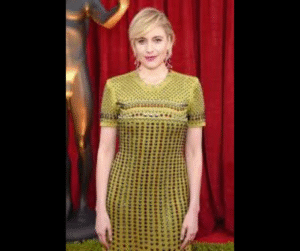
A Star Who Became a Visionary
Born in Sacramento, California, Greta Gerwig began her journey as an actress in independent films. Her early collaborations with director Noah Baumbach in movies like Frances Ha and Mistress America revealed her as a unique voice in storytelling. But Gerwig didn’t stop there. She soon moved behind the camera, determined to tell stories that reflected real human emotions—especially those of women often overlooked in Hollywood.
Her directorial debut, Lady Bird (2017), was a turning point. The semi-autobiographical coming-of-age film resonated deeply with audiences and critics alike. With sharp humor and emotional depth, Gerwig captured the turbulent yet tender bond between mothers and daughters. The film received five Oscar nominations, including Best Director and Best Picture—making Gerwig one of the few women ever nominated in that category.
Little Women and the Art of Reinvention
In 2019, Gerwig took on the challenge of reimagining Little Women, Louisa May Alcott’s beloved classic. Many wondered if another adaptation was necessary. Gerwig proved it was. Her version breathed new life into the story, blending time periods and emphasizing women’s choices, ambition, and independence.
The film became both a critical and commercial success. Saoirse Ronan, Florence Pugh, and Timothée Chalamet delivered unforgettable performances under Gerwig’s direction. Once again, she earned Academy Award nominations, cementing her status as one of Hollywood’s leading creative forces.
The Barbie Phenomenon
Then came Barbie (2023)—a project that transformed pop culture. Many expected a lighthearted comedy. Instead, Gerwig delivered a clever, socially aware, and visually stunning masterpiece. She turned a plastic doll into a symbol of empowerment, self-discovery, and female identity.
Starring Margot Robbie and Ryan Gosling, Barbie became one of the highest-grossing films of all time. It also sparked global conversations about feminism, gender roles, and what it means to be “perfect.” Gerwig’s ability to balance humor, emotion, and bold commentary showed her unmatched storytelling power.
A New Era for Female Filmmakers
Greta Gerwig’s success is more than personal—it’s cultural. She represents a shift in how Hollywood values female voices. For decades, women directors struggled to secure major studio projects. Gerwig’s achievements have opened doors for many others.
Her style is distinctive. She focuses on emotional honesty, vivid color palettes, and sharp dialogue. Every scene feels alive and intentional. Whether she’s directing a quiet moment between mother and daughter or orchestrating a grand musical sequence in Barbie, Gerwig’s signature touch shines through.
What’s Next for Greta Gerwig?
Following Barbie, Gerwig has reportedly signed on to direct The Chronicles of Narnia series for Netflix. Fans are eager to see how she’ll bring her imagination and depth to this beloved fantasy world. Her involvement suggests that these films won’t just be visual spectacles—they’ll also be heartfelt explorations of courage, faith, and identity.
The Legacy of Greta Gerwig
Greta Gerwig’s rise is a testament to creativity, courage, and authenticity. She’s proven that powerful storytelling doesn’t depend on explosions or special effects—it thrives on truth and emotion. Her films inspire viewers to reflect on their own journeys and relationships.
From Lady Bird to Barbie, Gerwig has redefined what it means to be a modern filmmaker. She continues to challenge norms, elevate women’s stories, and shape the future of cinema. In an industry that often recycles ideas, Greta Gerwig stands out as a true original—one whose influence will inspire generations to come.